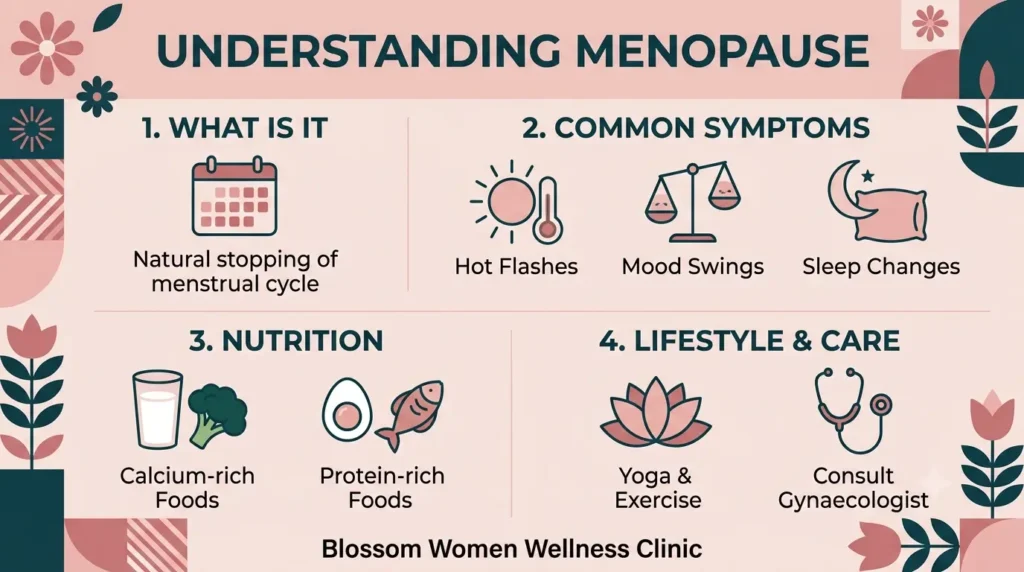
Menopause is a natural transition, but the physical and emotional changes can feel confusing. Learn about common symptoms like hot flashes, mood changes, and dietary tips from Dr. Sunita Choudhary.
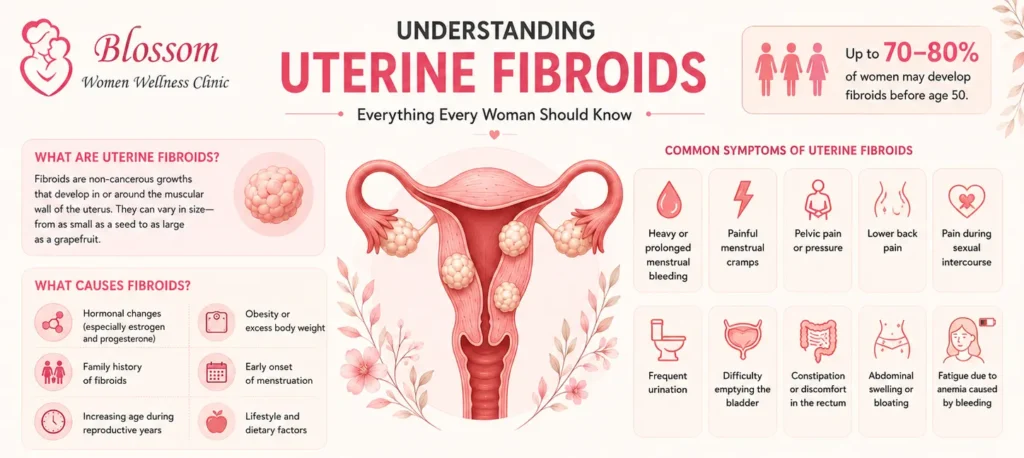
Learn about uterine fibroids, their symptoms, causes, diagnosis, treatment options, and when to consult a gynecologist. Expert women's healthcare at Blossom Wellness.
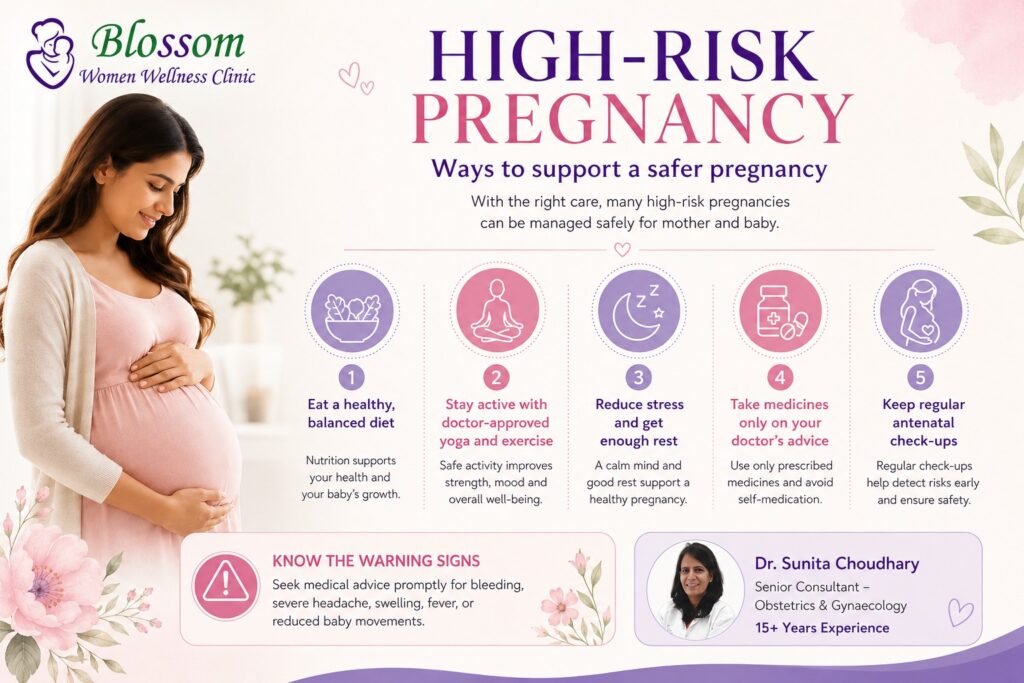
Being told that your pregnancy is "high-risk" can sound frightening. In medical care, however, the term does not mean that a complication is certain. It means that you or your baby may benefit from closer observation, additional tests, specialist input or a more individualised pregnancy and delivery plan. Many high-risk pregnancies progress well with timely antenatal care and appropriate monitoring. The most useful approach is not to compare your pregnancy with someone else's, but to understand your own risk factors and stay closely connected with your obstetric care team. At Blossom Women Wellness Clinic in Jaipur, pregnancy care is centred on early assessment, regular follow-up and clear, personalised guidance for each stage of pregnancy. Medical note: This article is for general education only. It cannot diagnose a condition or replace advice from your obstetrician. If you have new, severe or worrying symptoms, contact your maternity team or seek urgent medical care. What actually makes a pregnancy "high-risk" A pregnancy may be considered high-risk when a health condition, a pregnancy-related complication, a previous pregnancy history or a concern involving the baby increases the need for closer medical supervision. Some pregnancies are identified as high-risk from the beginning. Others become high-risk later if a new issue develops. The level of monitoring varies from person to person and may change as the pregnancy progresses. Common factors that increase risk Existing health conditions Certain medical conditions present before pregnancy can affect how pregnancy is monitored. Examples include high blood pressure, diabetes, thyroid disease, heart or kidney conditions, autoimmune disorders and some blood-clotting conditions. These conditions do not automatically mean that complications will occur, but they can change the type or frequency of care you need. Conditions that develop during pregnancy Some concerns arise only after pregnancy begins, such as gestational diabetes, pregnancy-related high blood pressure, pre-eclampsia, anaemia, infections, placental concerns, changes in amniotic fluid or concerns about the baby's growth. Twins or higher-order multiple pregnancy Pregnancies involving twins, triplets or more babies usually need closer monitoring because the chance of preterm birth, growth differences and other pregnancy-related complications can be higher. Previous pregnancy history Your obstetrician may recommend closer follow-up if you have previously experienced complications such as pre-eclampsia, preterm birth, recurrent pregnancy loss, stillbirth, significant bleeding after delivery or important fetal growth concerns. A previous complication does not mean it will happen again, but it helps your care team plan ahead. Age and other individual factors Age, fertility treatment, medicines, smoking or alcohol use, nutritional concerns and access to regular antenatal care can also influence how a pregnancy is assessed. Your doctor will consider the full picture rather than any single factor in isolation. How high-risk pregnancies are monitored High-risk pregnancy care is personalised. Depending on the reason for closer observation, your obstetrician may recommend more frequent appointments or additional investigations. These can include: Blood pressure and other routine health checks Blood or urine tests Ultrasound scans to assess growth, placenta or amniotic fluid Additional fetal monitoring later in pregnancy Specialist consultations when another medical condition needs coordinated care Earlier discussion about the safest place, timing and mode of delivery Not everyone needs every test. The timing and frequency should be decided by your obstetrician based on your health, pregnancy stage and the specific concern being monitored. Ways to support a safer high-risk pregnancy Keep your antenatal appointments Regular visits give your care team a chance to identify changes early, review test results and adjust your plan when needed. Some pregnancy complications can develop before you notice obvious symptoms, so feeling well is not a reason to skip a recommended appointment. Follow your personalised monitoring plan If your doctor asks you to monitor something at home, such as blood pressure, blood sugar or symptoms, follow the method and schedule they have given you. Do not change medicines, testing frequency or treatment targets based on online advice or another person's pregnancy experience. Eat regularly and choose a balanced diet A varied diet with vegetables and fruits, whole grains, protein-rich foods, calcium-rich foods, healthy fats and adequate fluids can support pregnancy health. However, dietary needs can change if you have conditions such as gestational diabetes, high blood pressure, anaemia, thyroid disease or significant nausea. In those situations, ask your doctor or a qualified nutrition professional for an individual plan. Be active only within your doctor's advice Movement can support general fitness, mobility, sleep and emotional well-being during pregnancy, but the right level of activity depends on your individual condition. Ask your obstetrician what activities are suitable for you and when activity should be limited or stopped. Use medicines and supplements only as advised Pregnancy can change which medicines and supplements are appropriate. Do not start, stop or alter prescription medicines, over-the-counter medicines, herbal products or supplements without checking with your doctor. If another clinician prescribes something, make sure they know you are pregnant and that your obstetrician is aware of the treatment. Make space for rest and emotional support A high-risk pregnancy can be emotionally demanding. Rest, practical help from family, a consistent sleep routine and open conversations with your healthcare team can make the experience more manageable. If anxiety, low mood, panic, sleep problems or difficulty coping are persistent, ask for professional mental-health support. Understanding baby movements As pregnancy progresses, you will become familiar with your baby's usual movement pattern. If movements become noticeably less than usual or the pattern changes in a way that concerns you, contact your maternity team promptly rather than waiting for the next routine appointment. Warning signs that need prompt medical attention During a high-risk pregnancy, it is important to know when not to wait. Seek urgent medical advice for symptoms such as: Vaginal bleeding Fluid leaking from the vagina Severe or persistent abdominal pain A severe headache or new visual changes Sudden or marked swelling, especially with other symptoms Chest pain, significant breathing difficulty, fainting or severe dizziness Fever or feeling acutely unwell Regular painful contractions before term Persistent vomiting with difficulty keeping fluids down Reduced or significantly changed baby movements If a symptom feels severe, sudden or unusual, or you are worried that something is not right, contact your maternity team. In an emergency, go to the nearest appropriate hospital rather than waiting for a routine appointment. Can you have a vaginal delivery with a high-risk pregnancy? Yes, in some cases. A high-risk pregnancy does not automatically mean that a caesarean birth is required. The safest mode and timing of delivery depend on the reason the pregnancy is high-risk, the mother's health, the baby's position and growth, placental factors, previous pregnancies or surgery, and how labour progresses. Some women may have a vaginal birth, while others may be advised to have an induction or caeserean delivery. Your obstetrician will discuss the safest plan for you and your baby as the pregnancy progresses. Preparing for labour and delivery If your pregnancy needs closer monitoring, it can help to discuss birth planning earlier than usual. Useful questions for your obstetrician include: Which hospital is most appropriate for my delivery? Are there circumstances in which I should come to hospital earlier? Is induction or caesarean delivery more likely in my situation? Will I need specialist or neonatal support available at delivery? Which symptoms should prompt immediate assessment? Keep your important medical records, investigation reports, current medicine list and emergency contact details easy to access as your due date approaches. The bottom line A high-risk pregnancy needs closer attention, not constant fear. Regular antenatal care, appropriate investigations, clinician-approved lifestyle choices and awareness of warning signs can help your care team respond early when something changes. You don't have to face a high-risk pregnancy alone. With the right medical support, monitoring, and care plan, many women with high-risk pregnancies go on to have healthy outcomes for both themselves and their babies. At Blossom Women Wellness Clinic, Jaipur, we support women through routine and high-risk pregnancies with personalised obstetric care, regular monitoring and clear guidance based on individual needs. If you have been told that your pregnancy is high-risk, or you have concerns about a current pregnancy, speak with your obstetrician for advice specific to you.
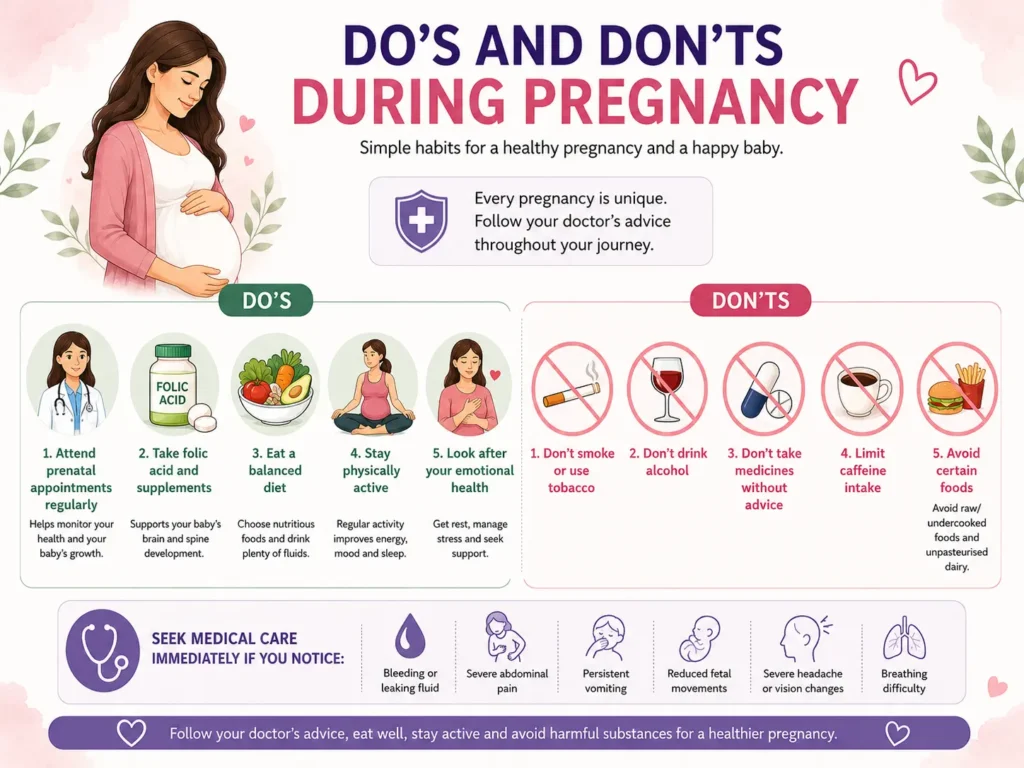
A practical guide to healthy pregnancy habits, including prenatal care, nutrition, supplements, exercise, medicines, caffeine, alcohol and tobacco.
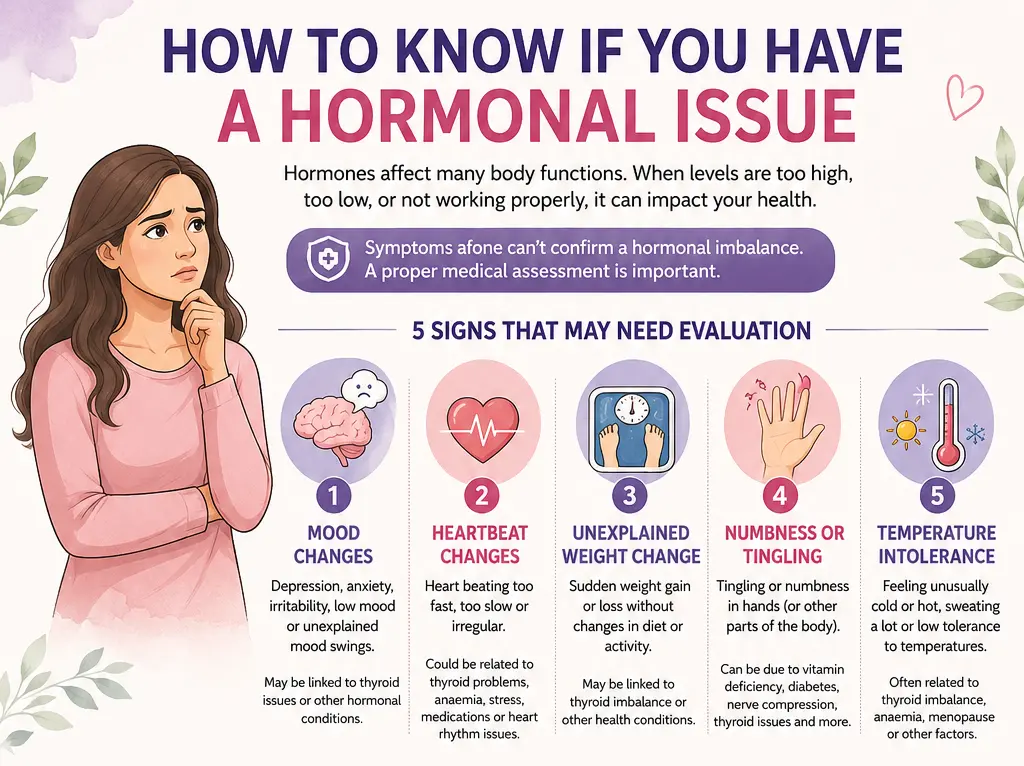
Hormonal symptoms can be confusing because they often overlap with other health conditions. Learn the common signs, how hormonal problems are evaluated, and when to consult a doctor.
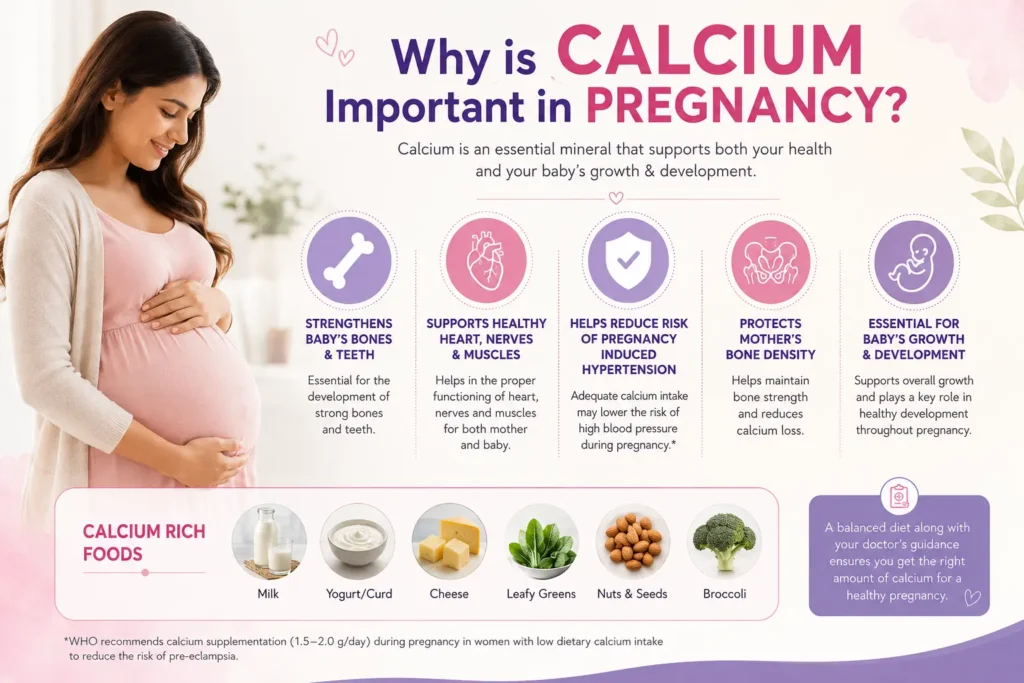
Calcium plays a vital role in supporting both mother's health and baby's growth during pregnancy. Learn about calcium benefits, food sources, and supplementation guidelines.